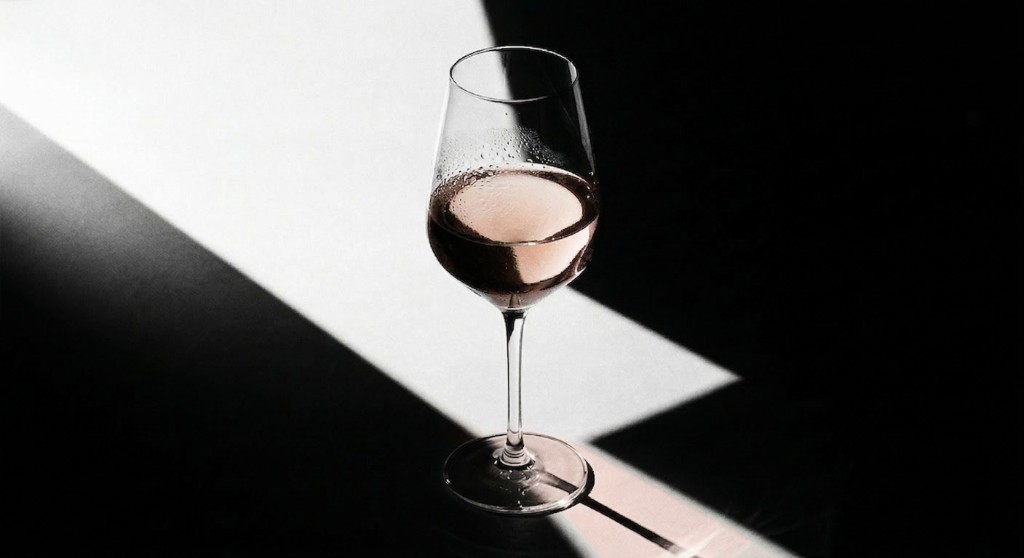
A glass of pale Provence rosé catching the light
Est. Sydney · Inspired by Provence

L'art de vivre en rosé

A love letter to Provence—the land of lavender, limestone, and the palest pink wine. From Australia, with reverence.

We fell in love with Provence rosé—
its pale beauty, its quiet complexity,
its way of making time slow down.
Now we share that love with Australia.

Èmilie Blanc began with a glass of rosé on a limestone terrace overlooking the Luberon. The light was golden. The wine was pale, dry, and impossibly elegant. In that moment, we understood why the people of Provence treat rosé not as a drink, but as a philosophy—a way of being present, of savouring, of living well.

Back in Australia, we couldn't stop thinking about that glass. About the lavender fields and ancient vines. About the way a meal in Provence unfolds slowly, generously, always with rosé on the table. So we created Èmilie Blanc: a place to explore, learn, and experience the culture of Provence rosé, right here in Australia.

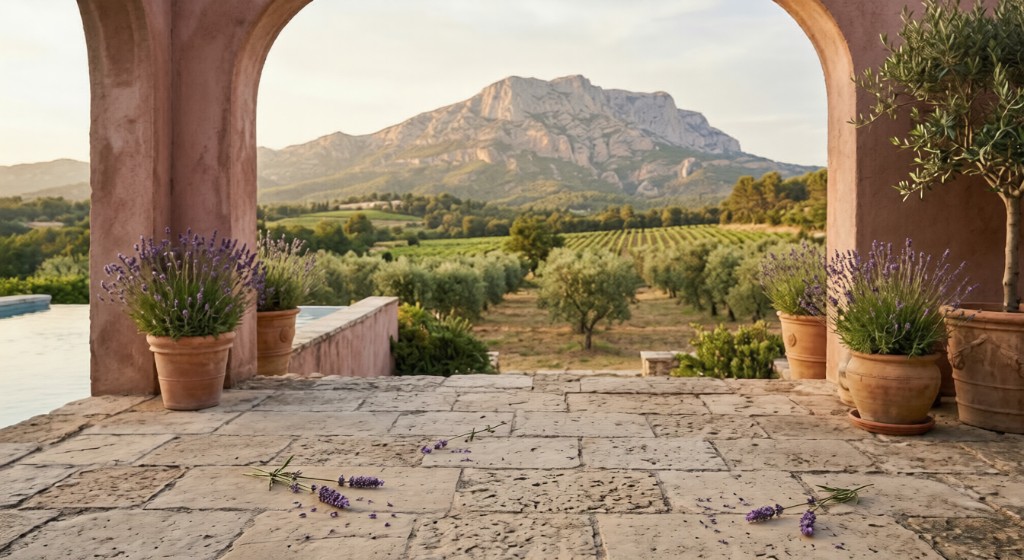
A Provençal villa with stone arches framed by lavender

Two thousand, six hundred years
of making the most beautiful wine
in the world

When the ancient Greeks planted vines along the Mediterranean coast in 600 BC, they didn't know they were founding what would become France's oldest wine region—and the birthplace of rosé as we know it.

Provence sits at the southeastern tip of France, stretching 200 kilometres from the Italian border to the Rhône. Here, three thousand hours of annual sunshine, the cooling Mistral wind, and a mosaic of limestone, clay, and schist soils create conditions that exist nowhere else on earth.

Today, Provence produces 174 million bottles of wine each year—91% of it rosé. Not the sweet, syrupy blush of decades past, but pale, dry, luminous wine that tastes of wild strawberry, white peach, crushed stone, and the Mediterranean itself.

The three appellations—Côtes de Provence, Coteaux d'Aix-en-Provence, and Coteaux Varois en Provence—each express the land differently, but all share a commitment to the pale, elegant style that has captivated the world.

2,600 Years of winemaking heritage

Understand what you're drinking

The more you know, the more you taste. Rosé is a serious wine—here's why.

01

How Rosé is Made

The finest rosé uses the saignée method—"to bleed" in French. Juice is drawn from red wine grapes after brief skin contact, capturing colour and delicate tannins while preserving freshness. In Provence, this is an art refined over centuries: the winegrower's decision of when to separate juice from skins is the single most important moment in a rosé's life. Direct pressing produces even paler, more ethereal styles—barely a whisper of pink, but with extraordinary depth.

Winemaking
02

The Terroir of Provence

Provence is a land of contrasts. The Mistral wind—a fierce, cold gust that sweeps down from the Alps—keeps vines healthy and disease at bay. Limestone hills give minerality. Clay retains water through scorching summers. The Mediterranean moderates temperatures, creating a long, gentle growing season. Each of the three appellations expresses this terroir differently, but all share a signature freshness and elegance found nowhere else.

Terroir
03

The Colour Spectrum

Provence rosé is famous for its pale salmon-pink hue—a colour that became the global benchmark. But the spectrum runs deep. Pale onion-skin suggests minimal contact: wild strawberry, citrus, wet stone. Deeper raspberry-copper means more extraction: redcurrant, spice, structure. The Provençal preference leans pale, but every shade tells the story of the grape, the soil, and the winemaker's hand.

Tasting
04

The Grapes of Provence

Provence rosé is typically a blend, and each grape brings its voice. Grenache offers warmth and red berry fruit. Cinsault brings delicacy and floral notes. Mourvèdre adds structure and savoury depth. Syrah contributes spice and colour. And Tibouren, a local hero, brings the wild herb character that is unmistakably Provençal. Together, they create wines of remarkable harmony.

Grapes
Long table dining among the vines with rosé

Convivialité.
Partage.
Le temps suspendu.

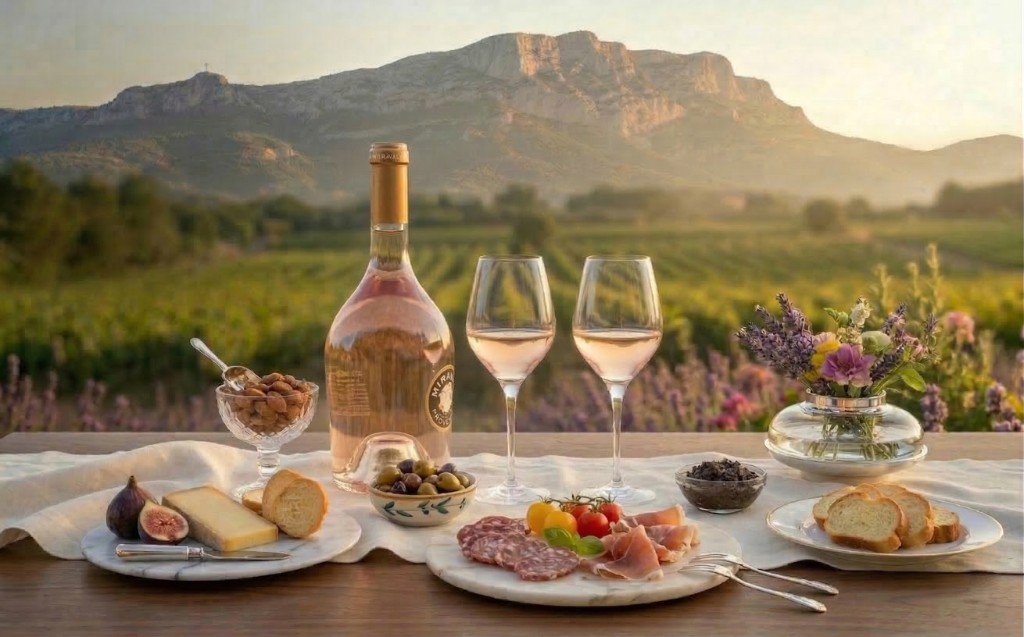
In Provence, rosé isn't poured—it's shared. It arrives at the table with bread and olive oil, with laughter and the sound of cicadas. It turns an ordinary Tuesday into something worth remembering.

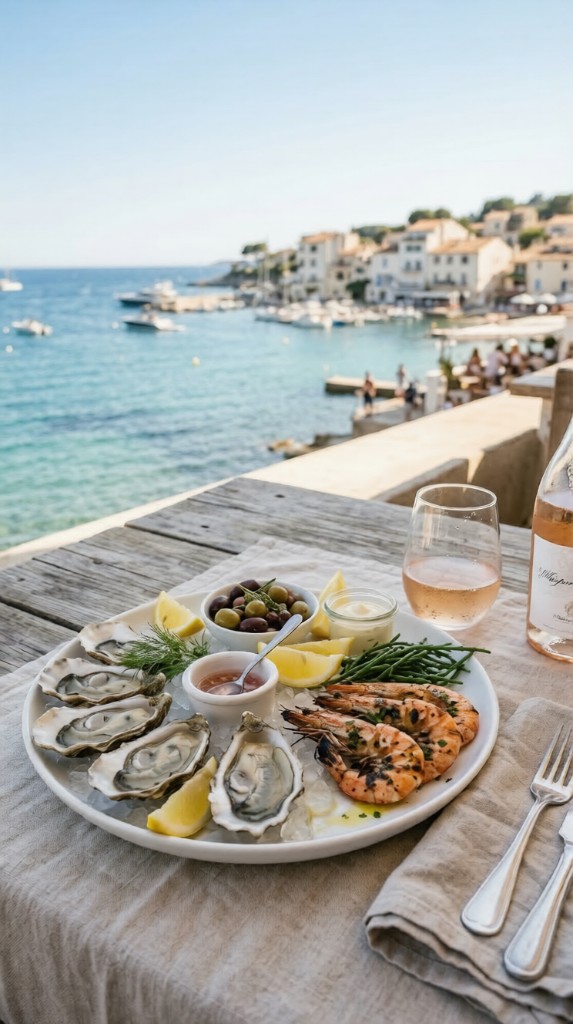
Fresh seafood served with rosé by the coast

A table sous le soleil

Mediterranean cuisine finds its perfect partner in Provençal rosé. The wine's bright acidity and subtle structure make it one of the most versatile food wines in existence.

Salade Niçoise with its anchovies, olives, and tuna—the wine's salinity mirrors the sea. Bouillabaisse, that magnificent Provençal fish stew, needs nothing more than a chilled glass of pale rosé to complete it. Grilled sardines, tapenade on sourdough, goat cheese with herbes de Provence, pissaladière—each dish finds its echo in the wine.

Even beyond the Mediterranean table, rosé's versatility surprises. Aged comté. Roast duck. Dark chocolate. When you stop thinking of rosé as a summer-only sipper, a world of pairing opens up.

Experience Provence, here in Australia

From intimate tastings to long-table lunches—join us in celebrating the culture of rosé.

APR 12
Masterclass

Understanding Provence: A Guided Tasting

Journey through the three appellations with eight wines. Learn the language of terroir, the art of blending, and the stories behind each glass.

Surry Hills, Sydney
Reserve
MAY 03
Long-Table Lunch

Rosé All Afternoon

A four-course Mediterranean menu paired with Provence rosés. Live music, ocean views, and the kind of afternoon that lingers in memory.

Bondi, Sydney
Reserve
MAY 18
Virtual Tasting

Rosé 101 — From Your Living Room

A tasting kit arrives at your door. Join our sommelier live for an evening of education, stories, and discovery—all from the comfort of home.

Online, Australia-wide
Reserve
JUN 07
Vineyard Experience

A Day in the Vines

A full-day immersion in Australian wine country. Vineyard walk, barrel tasting, and a long lunch among the vines—Provence style.

McLaren Vale, SA
Reserve

Private events, corporate tastings, and collaborations available.

Enquire →

Stories from the South

Stone archway framing a vineyard view
Guide

How to Taste Rosé Like They Do in Provence

Forget sipping blindly. Here's the framework that winemakers in the Luberon use to evaluate every bottle—from the first glance at colour to the last note of the finish.

March 2026
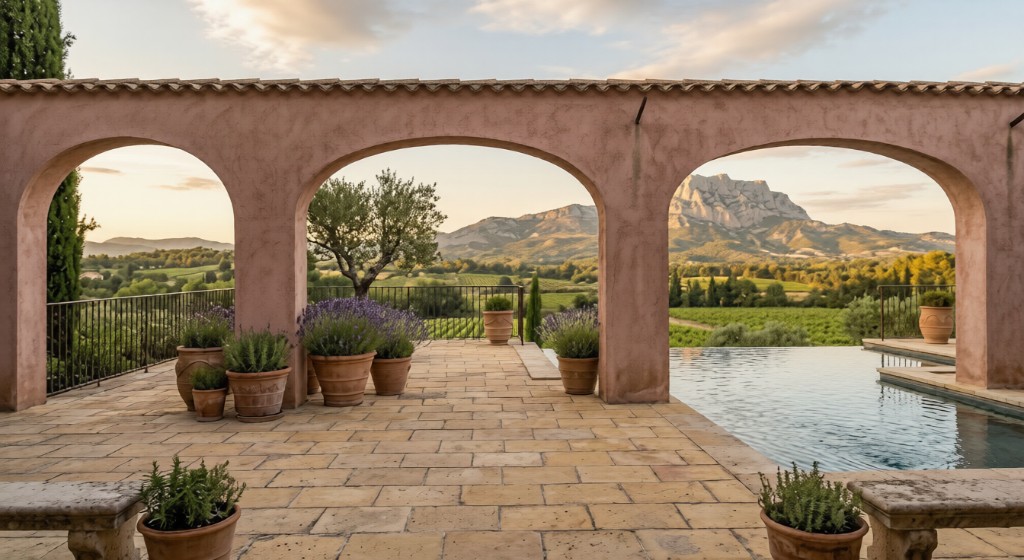
A Provençal villa at golden hour
Culture

Why Provence Rosé is Not Just a Summer Wine

The locals drink it year-round. Through autumn harvests, winter markets, and spring festivals. Here's how to break free from the seasonal myth—and why you should.

February 2026
Seafood and rosé by the coast
Pairing

The Provençal Table: 15 Dishes That Belong with Rosé

From pissaladière to bouillabaisse, from goat cheese to grilled sardines—the dishes that make Provence rosé sing, and how to recreate them at home.

January 2026

Questions about Provence rosé

What makes Provence rosé unique?

Provence rosé is characterised by its pale salmon-pink colour, dry style, and delicate flavours of wild strawberry, white peach, and wet stone. The region's Mediterranean climate, Mistral wind, and limestone soils create conditions found nowhere else. Over 2,600 years of winemaking heritage has refined this style into the global benchmark for premium rosé.

What food pairs best with rosé wine?

Provence rosé pairs beautifully with Mediterranean cuisine: salade Niçoise, bouillabaisse, grilled sardines, tapenade, goat cheese, and pissaladière. Its bright acidity and subtle structure also complement roast duck, aged comté, and dark chocolate. It's one of the most versatile food wines.

What are the best rosé wines in Australia?

While Australian winemakers produce excellent rosés, Emilie Wine Club specialises in authentic Provence rosés—from renowned producers like Domaines Ott, Château Minuty, Château Miraval, and Château d'Esclans. We curate selections that capture the Provençal style for Australian wine lovers.

Who is Emilie Blanc?

Emilie Blanc is Australia's leading Provence rosé wine expert. With a WSET Diploma and over 10 years studying rosé wine, she has tasted over 2,000 Provençal rosés. She is the founder of Emilie Wine Club, Australia's first rosé house dedicated to Provençal wine culture.

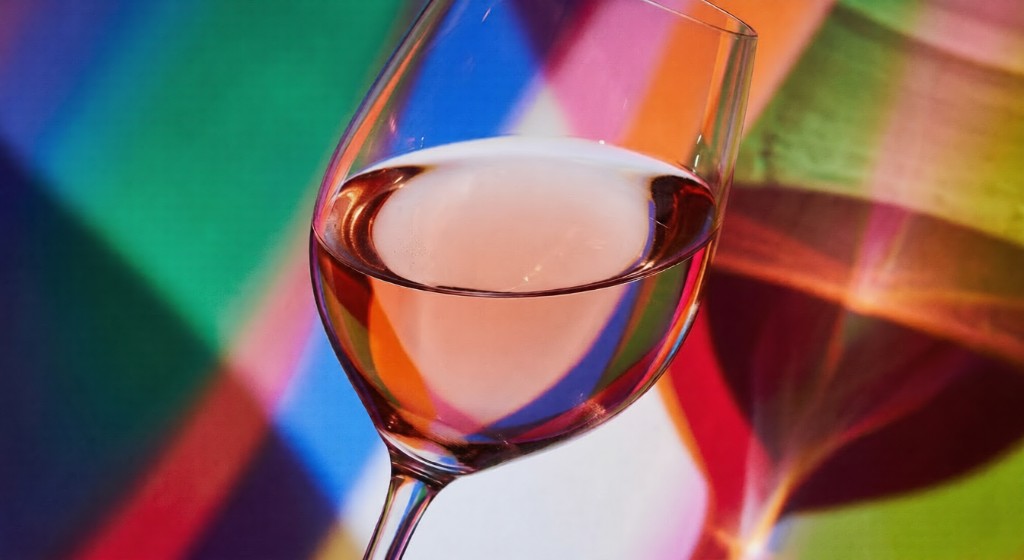
A glass of rosé catching colourful light
"Rosé is not a colour. It is an attitude."
— The spirit of Provence

First access to everything

Stories, event invitations, tasting notes, and a little piece of Provence in your inbox.

No spam. Unsubscribe anytime. We respect your inbox as much as we respect a good rosé.

or

Enquire about a private event